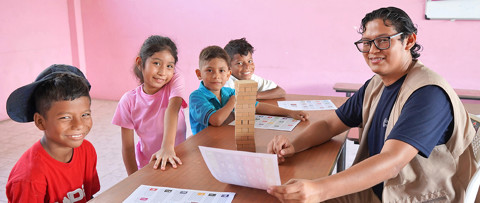
Through Path of Opportunity, children and youth build confidence, connections and skills to thrive.
On Saturday mornings in Lusaka, Zambia, the school grounds are quiet – except for a few classrooms where laughter and small voices rise above the stillness. That’s where Evelyn, a local teacher, spends her day off. She isn’t grading papers or preparing lessons. She’s volunteering.
Every week, children from the neighborhood participate in Path of Opportunity, Children International’s newly evolved program model shaped by a two-year pilot across multiple countries. Some kids walk in shy and unsure. Others burst through the door eager to be seen. All of them come looking for connection.
Evelyn gathers them in a circle. They practice naming their emotions. They play games that teach teamwork and problem solving. They learn how to speak up for themselves and listen to others. They navigate challenges together – small ones now, and bigger ones later. In these moments, they begin building the confidence, skills and support systems that research shows help young people grow out of poverty and into economic independence.

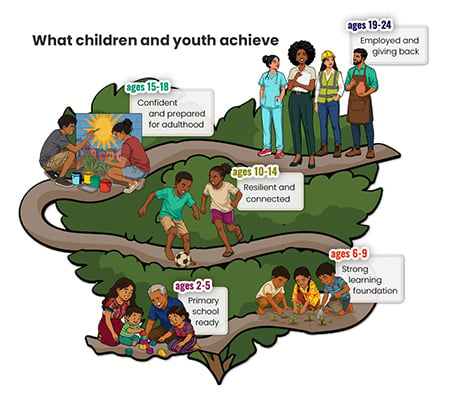
What’s happening in Evelyn’s classroom is part of something much bigger. Through Path of Opportunity, Children International is connecting with youth, ages 2 to 24, at every stage of development. This work ranges from shaping motor skills and strengthening early literacy, to building empathy and understanding mental health, to becoming leaders and landing their first jobs. It supports young people every step of the way.
Over the past 90 years, Children International has supported youth by meeting basic needs and offering program opportunities at its community centers in Colombia, the Dominican Republic, Ecuador, Mexico, Guatemala, Honduras, India, the Philippines, Zambia and the United States.
While most of these centers remain vital hubs, the new program structure (Path of Opportunity) is allowing Children International to expand its reach in these countries by:
Children International is partnering with schools, community organizations, churches and other sites in some of the poorest neighborhoods in each country to provide space for same-age peers to regularly meet. This helps eliminate barriers to access, transportation and safety concerns for many youth, which is a significant shift.
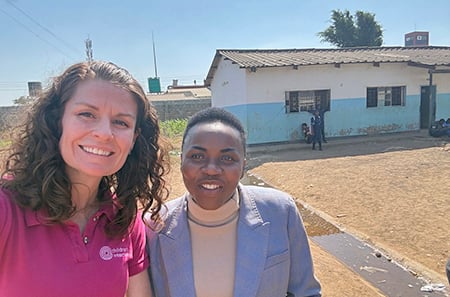
Kristen Mallory (left), Director of Global Programs, with Club Leader, Evelyn, who volunteers on Saturdays to help the kids at her school in Zambia.
It’s important to note:
“At the heart of our evolution is the desire to do more for more kids,” Mallory says. “We’re showing up in the places they already are and building real belonging with peers and leaders who live nearby. These connections are critical. Plus, the curriculum is hands on and fun, so kids stay engaged while building skills that matter.”
Path of Opportunity is built on a strong foundation of global research, from such sources as WHO, UNICEF, World Bank and CASEL. Implementing one program model across 10 countries has revealed a powerful truth – the destination is shared, but the road is local.
Many Club Leaders are graduates of Children International themselves and are central to the program’s success. They receive ongoing training and support, and bring cultural relevance, trust and lived experience to every session.
“We all have the same north star to help equip children, youth and caregivers with the skills, tools and mindsets they need to thrive. How we get there may look different based on context and where we live,” says Nadia Moreno, Global Programs Lead at Children International. “Our Club Leaders use our global curriculum, then also weave in their local perspectives to help it resonate and be relevant.”
For instance, Club Leader Lesly was leading a session for 2- to 5-year year-olds and their caregivers in Guatemala. Before ending, she invited caregivers to hug their child and say: “I love you.” At first it was noticeably difficult for many caregivers.
Lesly gently placed a hand on a caregiver’s shoulder and reassured her with warmth and softness. The room shifted. Caregivers leaned in, children’s faces lit up with surprise and a quiet tension gave way to connection. Lesly later shared that she added this experience into the session because she didn’t receive affection growing up. She wants a different experience for her own child and the kids in her community.
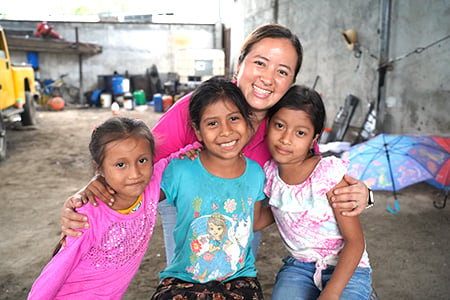
Club Leader, Lesly, supporting our children and families in Guatemala.
Around the world, poverty is increasingly a childhood and youth experience. UNICEF estimates that 1 in 6 children globally live in extreme poverty. Also, the World Bank reports that young people ages 15 to 24 are three times more likely to be unemployed than adults.
Research from UNICEF, WHO and the UN Development Programme consistently shows that children thrive when they have:
“When we strengthen these protective factors, we’re not only helping kids cope with hardship,” Mallory shares. “We’re helping them build the relationships, confidence and skills to break the cycle of poverty for good.”
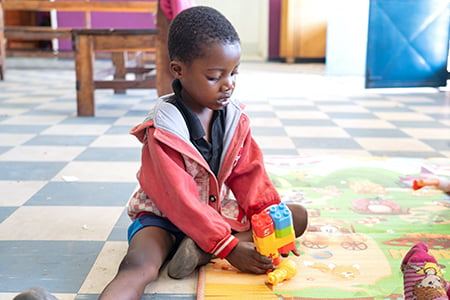
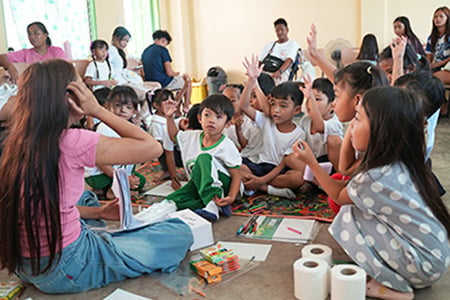
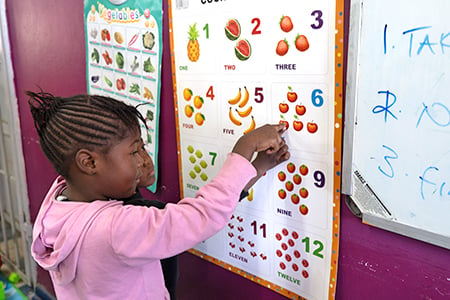
Path of Opportunity connects with children and youth through every stage of development to learn, grow and discover their potential.



Comments
kathyg123
Oct 7, 2026
I'm very PROUD to be A part of MY Sponsor Children's Lives, and a Part of Children International! Thank you Lesly (Club Leader) for your Hard Work, and Supporting Children, and their Families in Guatemala. ( I have 2 Sponsor Children In Guatemala). Job Well Done!
You must be logged in to comment. If you have an account, click here to log in.