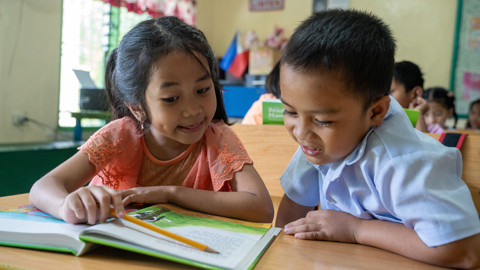
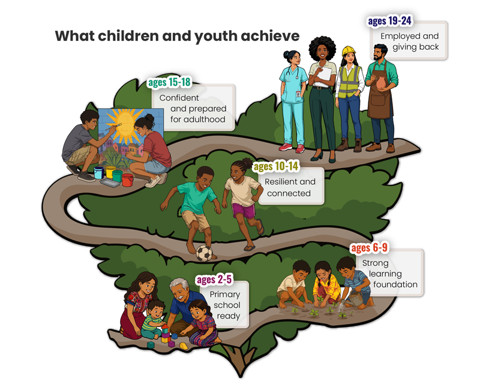
At Children International, we created a transformative, research-based program to help children and youth go from poverty to possibility. We call it Path of Opportunity, and it was designed to guide children through every stage of development. Starting as early as age 2 and concluding around the age of 24, Path of Opportunity is a long-term, developmentally appropriate journey that prepares children for work, independence and a life of possibilities.
Children need different kinds of support at different stages of development. That’s why Path of Opportunity follows children as they grow, focusing on research-based milestones. Each development stage builds upon the one before, but no matter when a child enters the program, they receive age-appropriate support to help them move toward their goals and a future that inspires confidence.





Path of Opportunity builds upon our decades of commitment to helping children and youth thrive by equipping them with skills, resources and support that will empower them for life. Our program model offers more than just classes and activities — it is a proven path to help young people develop into adults who can overcome poverty and change the trajectory of their lives.
.
.
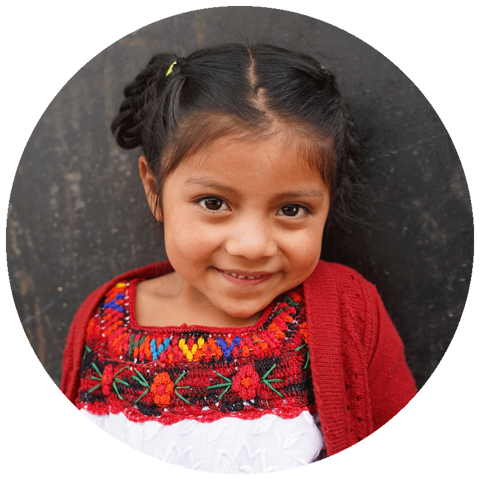
This is a time of great physical, cognitive and social development. Children progress from a simple to a more complex understanding of time, letters, counting and colors. They are able to follow increasingly more detailed commands.
At this early stage, children engage in activities like cooking demonstrations, storytelling, dancing, and singing. Children ages 2-5 attend with a caregiver to learn techniques and skills to do at home and empower the whole family.
 |
POSITIVE MINDSET Developing self awareness, giving back to the community |
 |
HEALTH CARE RESOURCES Health referrals, handwashing, and oral health |
 |
EDUCATIONAL SUPPORT Language and communication skills, motor skills |
 |
SOCIAL-EMOTIONAL LEARNING Self-care, positive parenting |
 |
SAFEGUARDING AND GENDER EQUALITY Abuse prevention, gender roles and stereotypes |
 |
PREPARING FOR THE FUTURE Life skills, developing child interests |
.
.
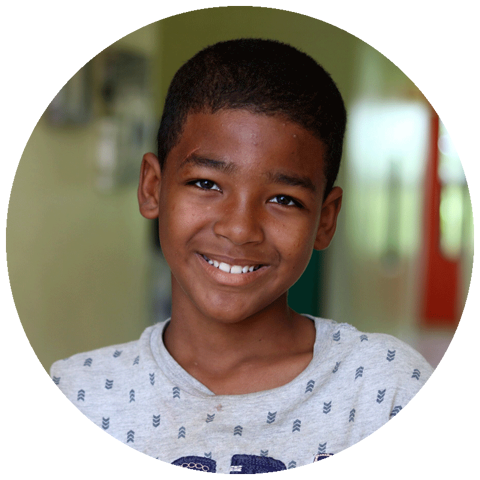
Children ages 6 to 9 undergo massive developmental changes as they transition into more independent school-age kids. During this phase, they rapidly refine their motor skills, grow more socially and emotionally independent and advance their cognitive abilities.
|
POSITIVE MINDSET Developing self awareness, giving back to the community |
|
HEALTH CARE RESOURCES Nutrition, personal hygiene, developing self-care |
|
EDUCATIONAL SUPPORT Complementing their school curriculum with additional math skills, literacy, writing, safe technology use |
|
SOCIAL-EMOTIONAL LEARNING Teamwork, managing emotions, peer pressure |
|
SAFEGUARDING AND GENDER EQUALITY Gender roles and stereotypes, bullying, safe touch |
|
PREPARING FOR THE FUTURE Digital citizenship, understanding careers and professions |
.
.
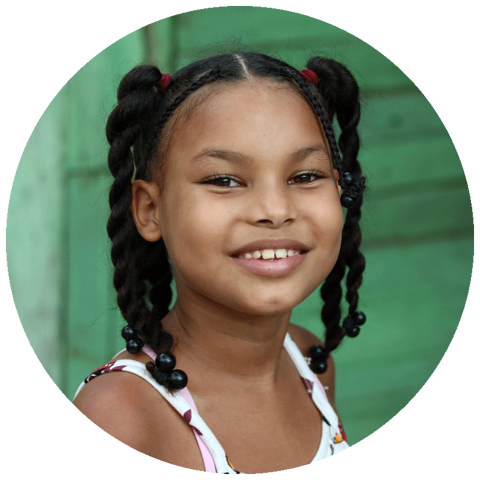
Early adolescents experience significant growth spurts and enter puberty. Cognitive skills advance to abstract thinking and complex problem-solving, while emotionally, they begin to develop an identity separate from their family and establish deeper peer relationships.
|
POSITIVE MINDSET Intrapersonal communication, caring for the environment |
|
HEALTH CARE RESOURCES Healthy nutrition, body stereotypes, substance abuse and prevention |
 |
FUTURE PLANNING Complementing their school curriculum with additional literacy, writing, safe technology use, time management |
|
SOCIAL-EMOTIONAL LEARNING Resilience, healthy relationships, self-esteem, confidence |
|
SAFEGUARDING AND GENDER EQUALITY Gender roles and stereotypes, bullying, abuse protection |
 |
FUTURE EMPLOYMENT Financial skills and entrepreneurship, digital citizenship, life skills |
.
.
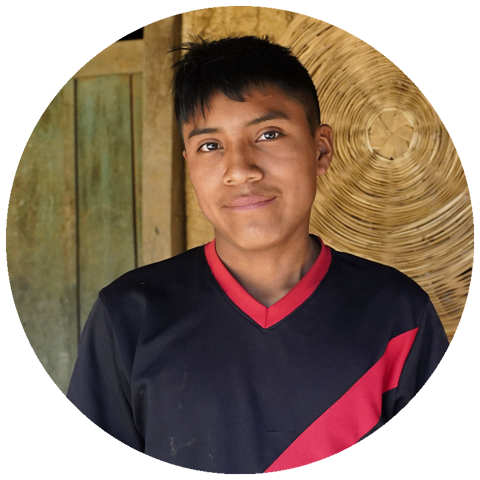
Youth experience rapid physical, cognitive and emotional changes as they transition into young adults. Milestones include forming an independent identity, developing abstract reasoning skills, and preparing for post-secondary education or careers.
|
POSITIVE MINDSET Developing an internal mindset, empathy, self awareness |
|
HEALTH CARE RESOURCES Understanding sleep health, reproductive health, referrals to local health services |
|
FUTURE PLANNING Creating a life plan, motivation, work ethic |
|
SOCIAL-EMOTIONAL LEARNING Change management, managing emotions, self-confidence |
|
SAFEGUARDING AND GENDER EQUALITY Gender roles and stereotypes, bullying, abuse protection |
|
FUTURE EMPLOYMENT Job support, employer visits, technical skills, and life planning |
.
.

The 19 to 24 age range is globally recognized as “emerging adulthood” or late adolescence. The United Nations formally defines “youth” as individuals between ages 15 and 24, making this bracket the final, critical transition into full adulthood. Most individuals this age do not feel like children, yet do not fully identify as adults. Still, this age group maintains a historically high sense of optimism about the future.
|
POSITIVE MINDSET Learning skills to develop a strong work ethic |
|
HEALTH CARE RESOURCES Identifying ways to protect emotional and physical well-being |
 |
FINANCIAL LITERACY Understanding local wise and unwise money lending options |
 |
DIGITAL CITIZENSHIP Protecting oneself from online risks and dangers |
|
SOCIAL-EMOTIONAL LEARNING Role-playing healthy communication |
|
SAFEGUARDING AND GENDER EQUALITY Gender roles and stereotypes, bullying, abuse protection |
|
FUTURE EMPLOYMENT Exploring professional development opportunities |
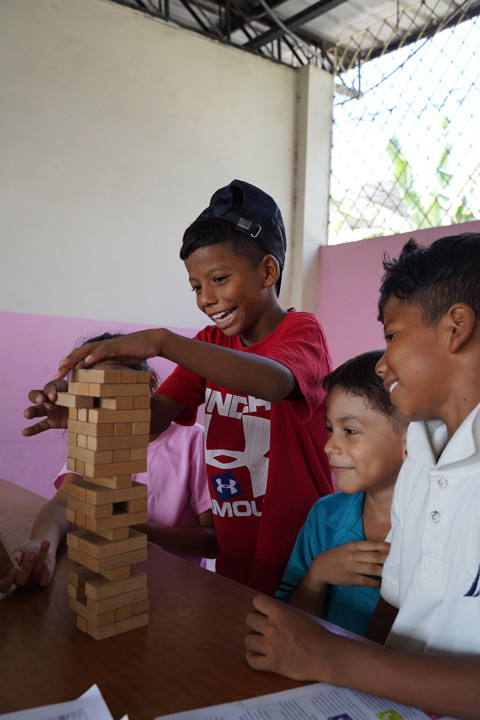
Throughout Path of Opportunity, children take part in age-appropriate activities that help them prepare for their future. Activities, workshops and programs draw on our 90+ years of experience, expert input and research-based curriculum. Younger children may focus on getting ready for school and building healthy habits. Older youth may focus on leadership, relationships, digital skills, career planning, job training and finding work.

As young people move into adulthood, Path of Opportunity helps them turn the knowledge and experience they've gained into meaningful rewards: lifelong confidence and work that provides long-term stability. It’s the realization of our overall mission: to help young people forge a path out of poverty and into economic independence and positively influence their family and their community.