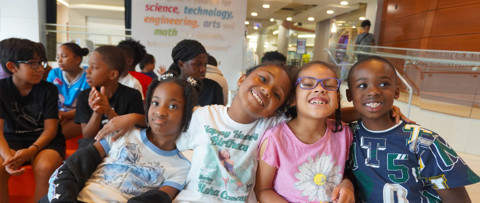
Children living in poverty in the U.S. face challenges outside the classroom that follow them into school, affecting learning, relationships and their ability to reach their full potential. That includes children in Little Rock, Arkansas, where 20.8% of those under 18 in Pulaski County were living in poverty in 2024, according to U.S. Census Bureau estimates.
Common Good brings social-emotional learning into Little Rock public schools, giving children facing trauma, poverty-related stress and disruptions to learning the practical tools and consistent support to succeed in the classroom and in life.
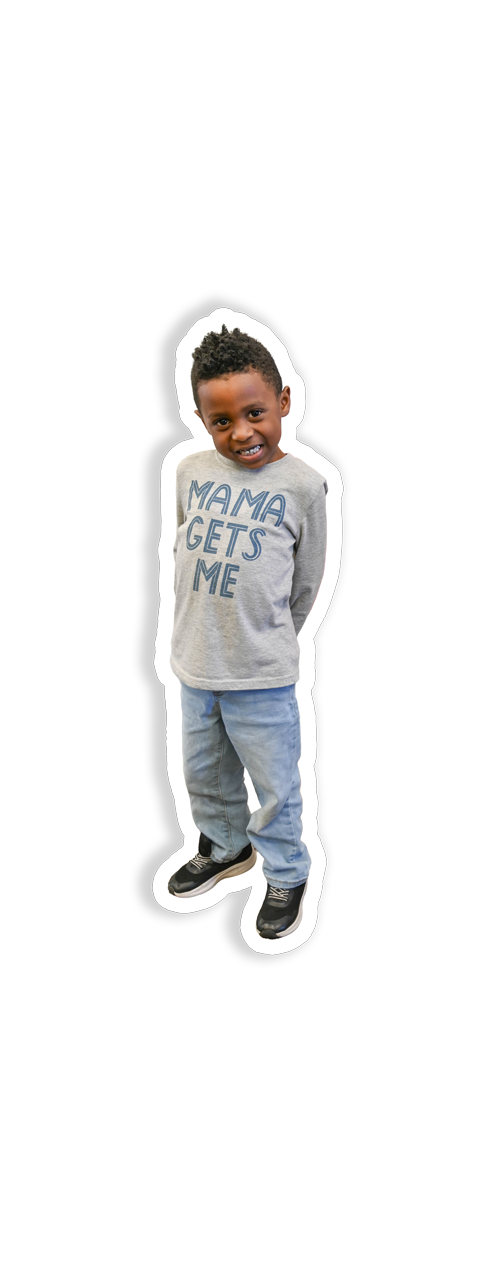

In Arkansas, more than 1 in 5 children live in poverty. Students also face ongoing educational challenges, with chronic absenteeism reaching 28.8% in 2025, six percentage points above pre-pandemic levels.*
Poverty does not determine a child’s potential. But children may need additional opportunities and support to overcome barriers, stay engaged in learning and build strong relationships.
Common Good partners with schools that lack the staffing and programming capacity to provide that support, offering individualized behavioral services and school-wide prevention and intervention programs that help students in Little Rock build the skills and confidence to thrive.
*Source: The Annie E. Casey Foundation
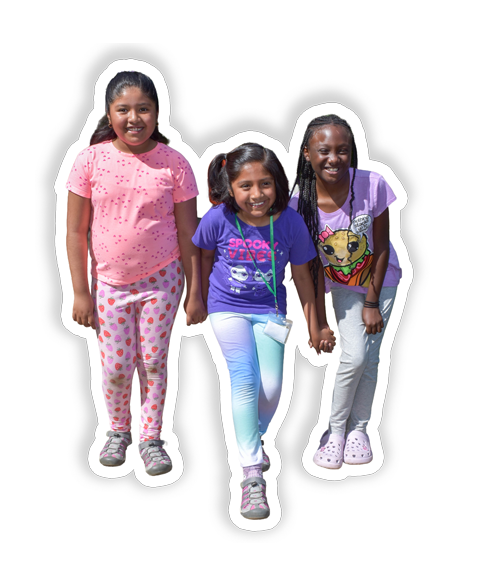 What it is
Common Good funds a school-based curriculum that provides social-emotional learning activities for children in the Little Rock School District.
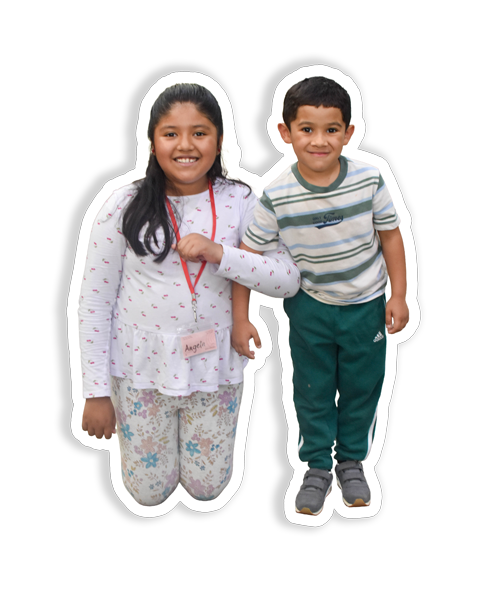 What children gain
Confidence, emotional regulation, relationship skills, thoughtful decision-making and a sense of connection and belonging.
How it works
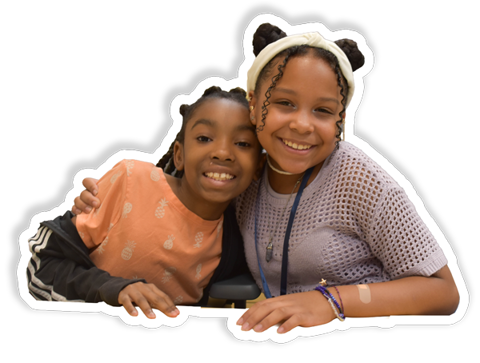
Partnering with local public schools and community organizations, trained staff provide focused lessons and practical tools to students, right where they learn — in their classrooms.
Why it matters
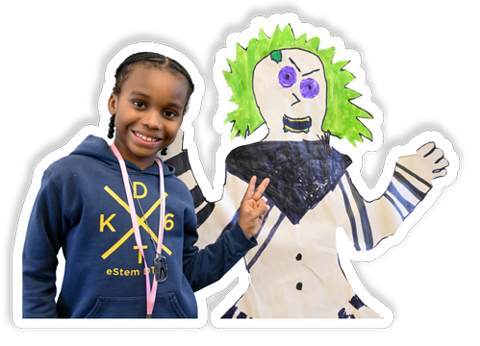
These aren't simply lessons for the classroom. They give American children skills they can use to work through challenges, develop relationships, make thoughtful choices and realize their own potential.
|
Teachers and partners rated the relevance of SEL lessons |
4.75/5 |
|
School partners stated the lessons aligned with their classroom or school expectations |
96% |
|
Students reported that SEL lessons were enjoyable and helped them apply social-emotional skills at school and at home |
90%+ |
The benefits of developing these skills can last well beyond the school day. Students who participated in social-emotional learning showed 13% higher academic performance years later than those who did not.
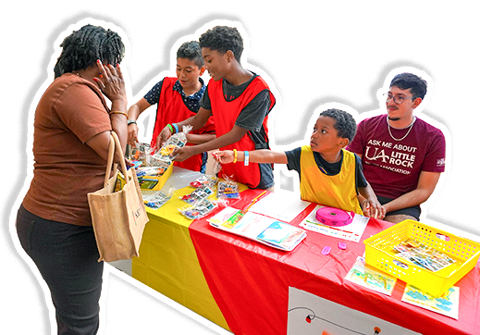
One recent activity gave students the opportunity to put these skills into practice through a hands-on entrepreneurship experience. Students put their skills into action by creating their own businesses. Along the way, they practiced communication, teamwork, responsible decision-making and leadership. Together, students raised significant funds for the Make-A-Wish Foundation.
But one of the clearest signs of progress was much simpler.
That was how one student described what they took from the experience. Parents also reported growth in confidence, teamwork, communication and creativity, with families seeing children use what they learned beyond the program itself.
Headquartered in Kansas City, Missouri, Children International is a 501(c)(3) nonprofit organization with a four-star Charity Navigator rating. Our child and youth development work focuses on helping disadvantaged children break the cycle of poverty.
Our data-driven approach measures the outcomes of our programs aimed at helping kids graduate healthy, educated, empowered and employed.
We take our responsibility as stewards of your contributions seriously.
In FY 2025, 82% of our total operating expenses supported programs for children and youth.



Our anniversary is an opportunity to reflect on the decades we’ve dedicated to helping children and families realize better lives. We are grateful for the global community of supporters who have made this impact possible — and together, we’ll continue building a world where poverty is no longer the norm.

