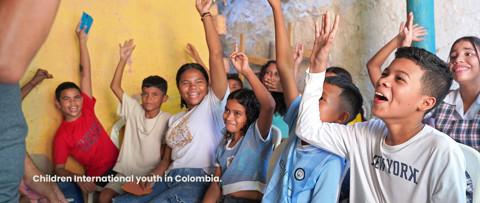
This is part of a monthly blog series on Children International’s newly evolved program model called Path of Opportunity™. Read our previous blogs, Empowering More Youth and Where Belonging Begins, to learn more. Our global nonprofit helps youth in 10 countries forge a path out of poverty.
What happens when young people are invited to solve real-world problems together? They discover they’re capable of creating change - and their communities benefit as well.
In the Philippines, young people played a leading role in advancing health equity through a community scorecard process earlier this year. Together with health providers and community members, they assessed key aspects of local health care, such as medicine availability and the condition of health facilities. Their participation ensured that youth perspectives were part of the conversation to make improvements aimed at expanding access to quality care for children and families.
This is an example of how young people are learning and making a difference through Children International’s program model, Path of Opportunity. They are gaining a sense of belonging while developing the skills to make thoughtful decisions. Participants are grouped by age and developmental stage. They remain connected to a consistent network of peers and trusted leaders. These relationships help create emotional safety, making it easier to share perspectives and try new things.
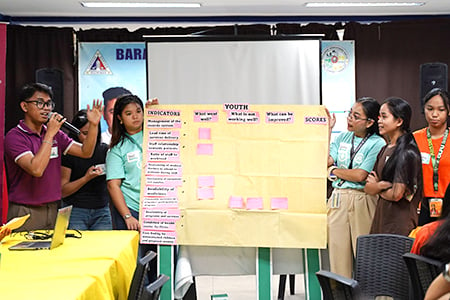
Youth in the Philippines evaluate health care issues affecting their community.
In a classroom in Honduras, pre-teens sit in a circle discussing peer pressure. One youth shares a difficult experience at school, while others offer encouragement and advice. Through conversations like these, young people learn that they are not alone in their challenges and that they can help one another grow.
“Learning with a group of friends is powerful because they’re often facing similar challenges and asking many of the same questions,” says Liz Orellana, Children International’s Regional Director of Asia/Africa. “For some young people, it may be the first place they feel comfortable sharing their ideas, expressing who they are and finding the confidence to use their voice.”
Confidence doesn’t develop overnight. Peer learning creates an environment where young people can practice sharing their opinions before they're asked to speak up in bigger settings. Little steps build on one another and, eventually, shape how they engage as they enter adulthood.
The Path of Opportunity program model helps youth learn by doing. As participants work through real-world challenges together, they practice skills that will benefit them in school, the workplace and their communities. Through group discussions, collaborative activities and problem-solving exercises, young people learn how to:
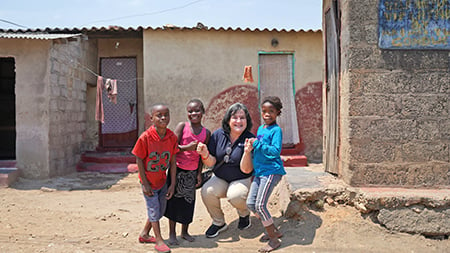
Liz Orellana, Children International’s Regional Director of Asia/Africa, visits with children in Lusaka, Zambia.
The process also creates opportunities for leadership. After identifying challenges, brainstorming solutions and sharing ideas in a small group, they select a leader to present their ideas to the larger group. Sometimes the group chooses a naturally outspoken participant to be their spokesperson. At other times, they encourage a quieter peer to step into the role, helping to build confidence in a supportive setting.
“The process sometimes can teach more than the lesson itself,” Orellana says. “Youth learn teamwork, respect for different perspectives, critical thinking, negotiation and communication skills. They're discovering how to work with others while developing confidence in their own abilities.”
Research consistently shows that young people are strongly influenced by their peers. While peer influence is often discussed in negative terms, it can also be one of the strongest drivers of positive development.
When children and youth develop alongside friends who encourage, challenge and support them, they are more likely to stay engaged, build confidence and apply what they have learned in everyday life.
The bottom line? Poverty can be isolating, but youth should not have to face life's challenges alone. By bringing youth together in safe, welcoming spaces, Children International is helping them build connections that foster resilience, belonging and hope. Along the way, they discover that they can help create lasting change in their communities and beyond.
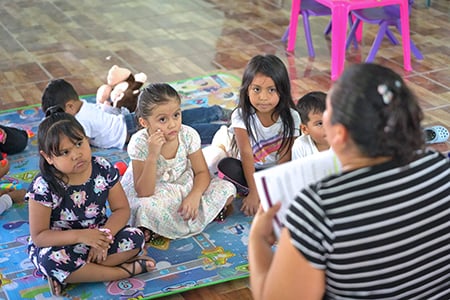
This lesson is one step on a journey that will keep these children in Honduras connected to their peers for years to come.


Comments
You must be logged in to comment. If you have an account, click here to log in.