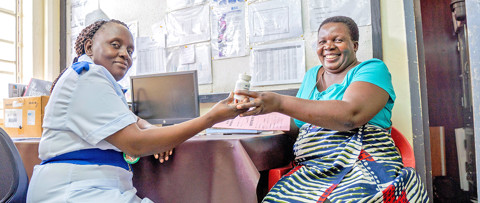
For a doctor or nurse, knowing how to treat a patient is only part of the equation. They also need access to the right medicine. It’s a challenge Children International and International Health Partners (IHP) are working together to address.
IHP is a global health organization that partners with health care companies to provide quality donated medicines and health supplies to organizations serving communities around the world – increasing access to health care.
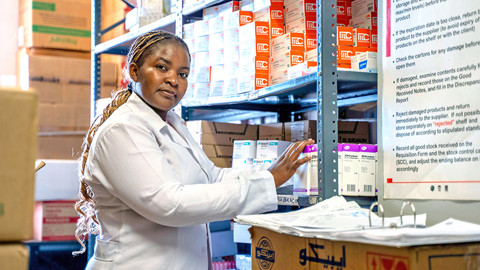
Through a partnership with Children International, which aims to help children in 10 countries forge a path out of poverty, IHP is helping young people and their families in Zambia and the Philippines. Children International’s local teams help identify health needs, coordinate with health care providers and manage the processes that help get donated medicines to patients free of charge.
So far in 2026, the partnership has supported approximately 4.6 million people in Zambia and the Philippines and provided $909,000 worth of medicines that will be given to patients free of charge.
“We want to get essential medicines to the right place at the right time,” said Hannah Dean, Partnerships Manager at IHP.
Dean has visited health programs around the world and has seen what limited access to medicines can mean for health care providers and their patients.
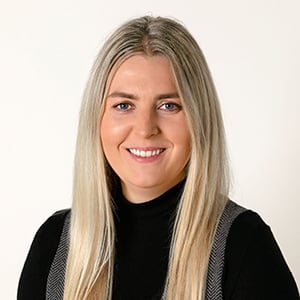
Hannah Dean, Partnerships Manager at IHP
“There are incredibly competent clinicians in all of these countries working hard under very challenging circumstances,” Dean said. “They can diagnose somebody, they know what is wrong, and they know what to do, but they don’t have the medicines to treat the patients.”
Patients may face their own barriers, including the cost of traveling to a health facility, covering the medical supplies they need for treatment, and accessing medicines.
“Receiving medical care for free is a massive access win,” Dean said.
Adele Paterson, CEO of IHP, said addressing that gap requires making sure donated medicines match what local health care providers actually need and use. “We’re not telling you what you need,” Paterson said. “We’ll get what you need, and we’ll try and fill that gap.”
For Paterson, the relationship with Children International has grown beyond providing individual shipments of medicines and supplies.
“We are working increasingly together to not only think about the need and the supply but also think about how we change and improve systems,” Paterson said.
Children International’s teams on the ground play an important role in that work. Their knowledge of local communities and relationships with health care providers, as well as Ministries of Health, help the partnership understand what medicines are needed and how they can best reach patients.
Children International has also invested in staff, processes and ongoing training of teams and local partners to oversee medical donations so they reach the patient with full efficacy. Dean said the organization has “strengthened and professionalized” its medical donation processes and training program, creating an approach that can support the work over the long term.
“It isn’t just about filling a hole,” Paterson said. “It’s about something that’s really worth building with Children International as a trusted partner.”
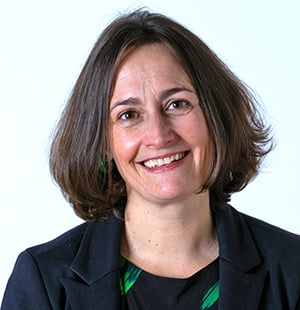
Adele Paterson, CEO at IHP
One recent example from Zambia shows how access to the right medicine can save lives.
The partnership provided a medicine used to control excessive bleeding, including postpartum hemorrhage, which is severe bleeding that can occur after childbirth – a leading cause of maternal deaths in Zambia.
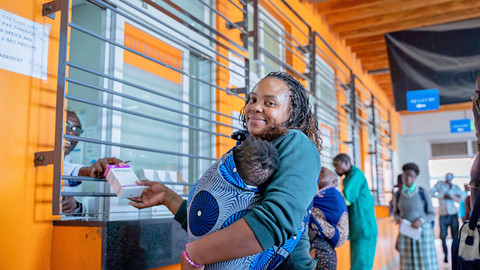
The medicine was distributed to health facilities including Kitwe Teaching Hospital. According to Dean, the hospital handles approximately 25 to 30 deliveries each day and sees three to four cases of postpartum hemorrhage daily.
“Having access to drugs like this one is a literal lifesaving intervention,” Dean said.
The medicine can help reduce complications and the need for more invasive interventions. It can also shorten a patient’s hospital stay, which may reduce additional costs for patients and their families.
“At the end of the day, it’s about helping families who have to make difficult choices,” Paterson said.
As the partnership has grown, Children International and IHP have also explored how to support broader health priorities, including:
“We want to look at the system as a whole and see where the greatest needs are,” Dean said.
In Zambia, the partnership is supporting a large-scale deworming initiative led by the Ministry of Health. The program will provide millions of treatments, including for children under age 5 as well as pregnant and lactating women.
For Paterson, the long-term goal is to address immediate needs while helping support stronger health systems.
“We all want every country to have an effective health system that’s not dependent on donations,” Paterson said. “We are a small part of that, but we’re all trying to do good for immediate needs and in the long term.”
IHP leaders say trust and shared learning have helped the partnership grow over the past three years.
Paterson said Children International has also stood out for how it documents and communicates the impact of its work, helping partners understand how medicines are reaching and affecting patients and families.
“They really set the standard actually across a lot of our partners for the way that we talk about what we do,” Paterson said.
For Children International, supporting access to health care also means looking at the health of the entire family. The health of parents and caregivers can directly affect the children who depend on them.
“When parents and caregivers are healthy, children have the stability they need to thrive,” says Christina Becherer, Senior Global Director of Strategic Partnerships at Children International. “Together with IHP, we’re ready to build on this momentum and bring more lifesaving care to families and their communities.”
Both organizations are now looking at what they can accomplish next, including additional health initiatives, opportunities to involve other funders and the potential to expand the work to other countries.
“We’re only on the cusp of this potential,” Dean said.



Comments
You must be logged in to comment. If you have an account, click here to log in.