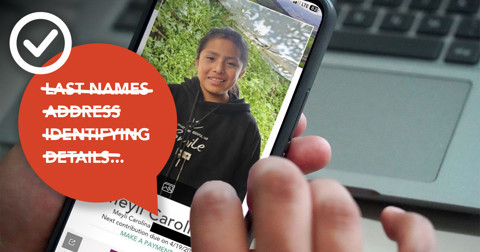
It’s still baffling to me that today, we walk around with exponentially more computing power in our pockets than NASA used to get to the moon.
Such radical and rapid change can make it difficult and confusing (especially for us “Atari kids”) to responsibly and safely navigate online, particularly when sharing so much of our personal lives on social media. So, here is a refresher about keeping children (and ourselves) safe online.
Building a personal connection with your sponsored child can be incredibly meaningful. At Children International, we love seeing those relationships grow — whether through letters, visits, or sharing your experience with friends and family.

A shared commitment
You are an essential part of our mission to end poverty — and keep children safe online. Thank you for helping us create a digital environment where every child can grow up safe, respected, and empowered.
Safe posting checklist
Is the child’s identity protected?
Does the content respect their
dignity and privacy, and not
contain health info?
Could someone determine their
location from this post?
Would I be comfortable sharing
this kind of info about myself
or my own child?
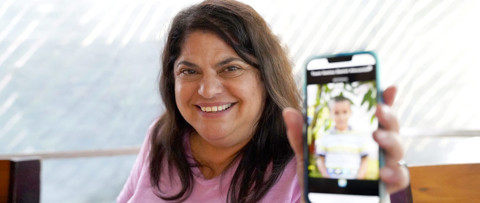
At Children International, we also have a responsibility to keep every child safe. That means we always receive permission from children, youth, and/or their parents or guardians before sharing their photos or stories publicly.
Keeping kids safe is also a reason why, in 2025, we implemented a private Facebook group, replacing an older, internal social media sharing platform where our supporters can safely and securely share their Children International journeys with each other.
Like most of us, children today spend more time online than ever, and while digital spaces offer opportunities to learn and connect, they also pose risks — from privacy breaches to misuse of images. Safeguarding isn’t just a policy; it is central to our mission. And as a supporter, you also play a key role in protecting children’s dignity and privacy.
Our approach is grounded in three core principles:
These principles align with global child‑protection standards and guide how we share stories and images. Even well‑intentioned posts can reveal more than expected, which is why we all share responsibility for keeping kids safe.
A single photo or detail can unintentionally reveal a child’s location or routine. Even deleted posts can leave a lasting digital footprint. Features like geotagging or recognizable landmarks may expose where a child lives or spends time.
Personal sidenote
I once posted what I thought was a safe photo of my (then) second-grade son outside his school. I was trying to be conscientious about not showing anything that gave away the school's name or location. A couple hours after posting, a friend pointed out that you could zoom in and read the school on a smaller sign I had not noticed. I deleted it from public view.
Responsible storytelling
X Avoid manipulated, sensationalized, or degrading content
X Never share images of inappropriately clothed children
X Avoid posting last names, addresses, or identifying details
X Never publish health information without consent
Obtain permission before using any child’s image or story
Sometimes I think back on those Atari days and am stupefied at how much simpler everything felt. Today’s world is a lot more connected — and it feels more complicated. The ways in which we communicate and interact may be different, but the heart of who we are and what we do hasn’t changed: It’s still about people caring for one another.
When you share your stories, photos, and reflections, you help bring our shared mission to life. It spreads a message of hope, inspires others, honors the children you support, and reminds us all why this work matters. Thank you for celebrating and sharing these connections while keeping children safe!
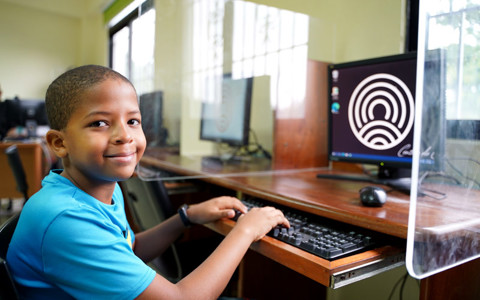
Here is a quick checklist you can use when posting about your support and journey with us and your child:
Share your experience using general descriptions rather than specific personal details
Talk about Children International's mission and programs
Post photos of yourself on visits participating in activities — with geo-tagging turned OFF
Share reflections on your sponsorship experience and your child’s milestones
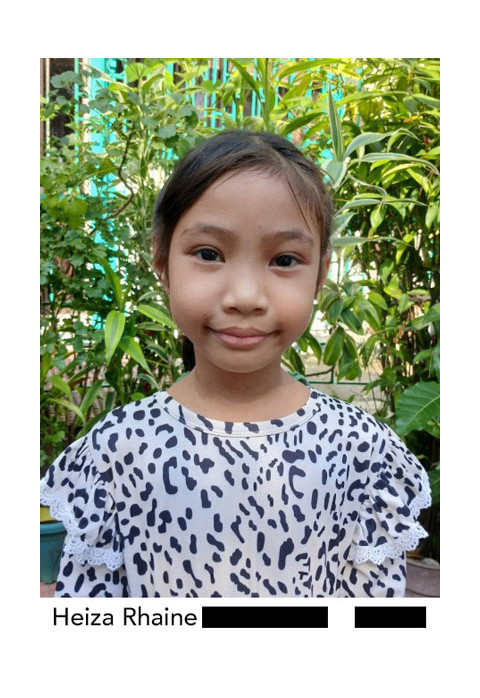
Post letters or artwork with identifying details blocked out — such as Child ID, child last name, city
Share health information about children or their families
Reveal full names, addresses, or
school names
Post recognizable community locations or landmarks
Share letters containing personal
information
When sharing your child’s photo, be sure to obscure details like your child’s last name, city, Child ID, etc.



Comments
You must be logged in to comment. If you have an account, click here to log in.